Productivity Automations for Founders Who Do Not Have an Assistant
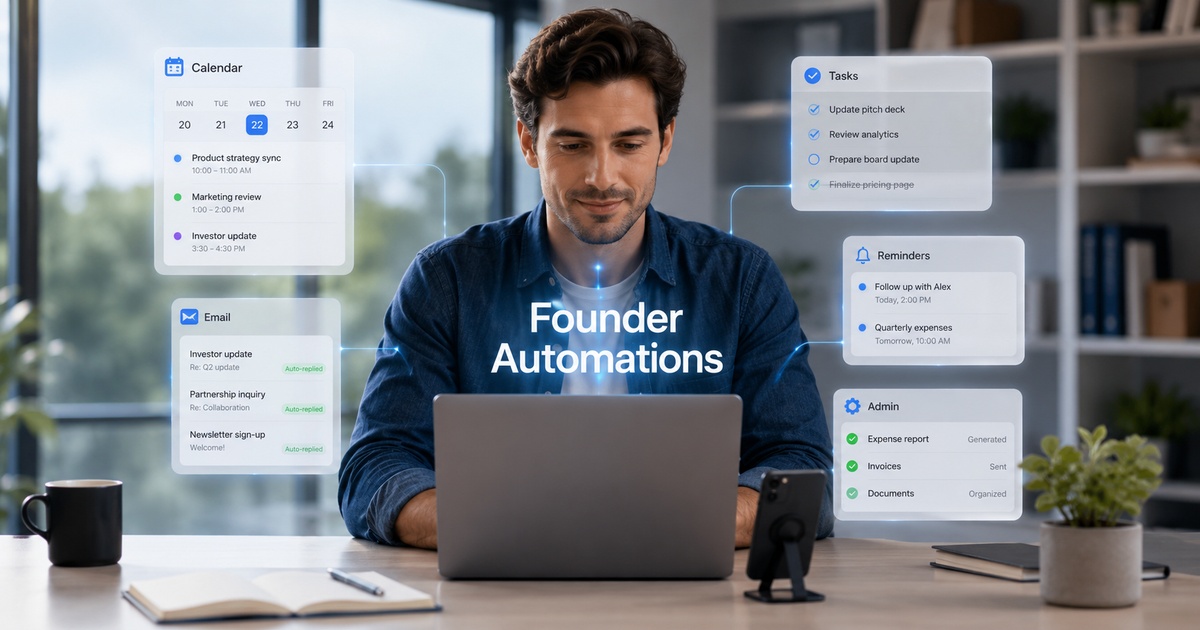
Founders without an assistant spend a startling amount of time on work an assistant would normally absorb: scheduling, follow-ups, chasing, sorting, and the endless small admin that fills the gaps between real work. You may not be able to hire help, but you can automate a surprising amount of what an assistant would do, reclaiming hours and mental space for the things only you can do. The goal is not to automate everything, but to hand the repetitive, low-judgement tasks to automation so your attention goes where it matters. Here are the productivity automations that act most like a part-time assistant for a solo founder.
What a part-time assistant actually does
It helps to think about what an assistant would handle, because that maps closely to what you can automate. An assistant absorbs scheduling and calendar wrangling, follow-up reminders so nothing is dropped, sorting and triaging incoming requests, routine communications and acknowledgements, gathering information, and the administrative glue that holds a busy schedule together. None of this is the high-value, judgement-heavy work that needs the founder; it is the repetitive overhead that simply has to happen. That is exactly the profile of work automation handles well, which is why a thoughtful set of automations can stand in for a meaningful slice of an assistant’s role.
The automations worth setting up
A handful of automations deliver most of the assistant-like benefit for a founder.
- Scheduling: a scheduling tool that lets people book available time directly, ending the back-and-forth of finding a slot.
- Follow-up reminders: automated nudges so commitments and pending replies do not slip through the cracks.
- Inbox and request triage: rules and filters that sort and prioritise what comes in, so you act on what matters first.
- Meeting capture and follow-up: turning calls into summaries and tasks without manual note-taking.
- Routine notifications and updates: automated status updates and acknowledgements that would otherwise be manual messages.
- Recurring admin: any repetitive weekly or monthly task, automated so it just happens.
Where to start
Do not try to automate your whole life at once; start with the single thing that wastes the most time or causes the most dropped balls. For many founders that is scheduling, the endless coordination of when to meet, so a self-service scheduling tool is often the highest-return first automation. For others it is follow-ups slipping, or an inbox that buries important things. Pick the worst offender, automate just that, and feel the relief before adding the next. This mirrors the approach in our guide to workflow automation use cases: one painful task, done well, then expand. And capturing meetings into action with a meeting notes workflow is a particularly high-leverage one for founders who live in calls.
What not to automate
The flip side of using automation as an assistant is knowing what should stay with you. Do not automate the things that need your judgement, your relationships, or your voice, the important decisions, the meaningful conversations, the work that is the actual point of your role. A founder who automates scheduling frees time for customers; a founder who tries to automate customer relationships erodes the thing the business runs on. Be wary, too, of automating something so rare it costs more time to set up than it saves, and of using AI assistants for consequential actions without keeping a hand on the wheel, the same restraint covered in designing AI assistant workflows. Automate the overhead, protect the high-value work, and the result is the leverage of an assistant without the headcount.
Common founder automation mistakes
Founders setting up their first automations tend to hit the same few snags, and knowing them saves time. The first is automating for the founder you imagine rather than the one you are: building an elaborate system for a workflow that barely exists, instead of fixing the one task that genuinely wastes your time each week. Start from real pain, not aspiration. The second is over-automating and losing touch, routing things to automated responses that should have had your personal attention, so you save minutes but quietly damage a relationship or miss a signal.
The third is set-and-forget neglect: building automations and never checking them, so when one silently breaks, commitments slip and you do not notice until it costs you. Even a solo founder needs to know an automation failed. The fourth is treating automation as a project rather than a tool, spending more time tinkering with and perfecting automations than they save, which is its own kind of procrastination. The antidote to all four is restraint and focus: automate the genuinely repetitive overhead, keep a light eye on it, protect the human work, and resist the urge to over-build. The point is to free yourself for what matters, not to acquire a new hobby maintaining a fragile machine.
Frequently asked questions
What should a solo founder automate first?
Start with the single task that wastes the most time or causes the most dropped balls, which for many founders is scheduling, so a self-service booking tool that ends the back-and-forth is often the highest-return first automation. For others it is follow-up reminders or inbox triage. Pick the worst offender, automate just that one thing well, feel the benefit, then add the next. Automating your whole workflow at once usually stalls; one painful task at a time works.
Can automation really replace an assistant for a founder?
It can replace a meaningful slice of what an assistant does, the repetitive, low-judgement overhead like scheduling, follow-up reminders, request triage, meeting capture, and routine admin, which frees real hours and mental space. It cannot replace the judgement, relationships, and discretion a great assistant brings to higher-value work. The realistic goal is to automate the overhead an assistant would absorb, so your attention goes to the things only you can do, rather than to fully recreate a human assistant.
What should founders not automate?
Anything that needs your judgement, relationships, or voice: important decisions, meaningful customer and team conversations, and the work that is the actual point of your role. Automating scheduling frees time for customers; trying to automate customer relationships erodes them. Also avoid automating tasks so rare that setup costs more than it saves, and avoid handing AI assistants consequential actions without oversight. Automate the overhead, protect the high-value human work, and you get leverage without losing what matters.
How do founders avoid wasting time setting up automations?
Treat automation as a tool, not a project. Start from a real, recurring pain rather than an imagined workflow, automate the single worst offender, and keep the build simple. Resist the urge to perfect and tinker, which is its own form of procrastination, and check periodically that your automations are still working rather than silently broken. The goal is to free yourself for high-value work, not to acquire a hobby maintaining a fragile machine that saves less time than it consumes.

Written by gautam995576@gmail.com
AI automation editor focused on workflow design, tool selection, privacy checks, and operational clarity.
Related automation guides
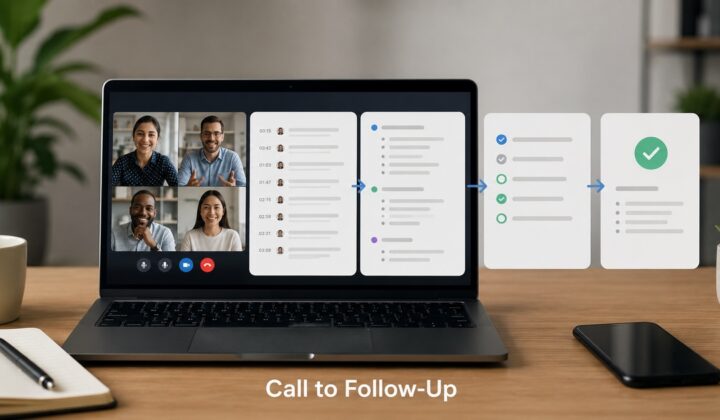
AI Meeting Notes Workflow: From Call to Follow-Up Task
How to turn AI meeting notes into action: a workflow that gets from call to clean summary to follow-up tasks, so decisions…

Fathom vs Otter vs Fireflies vs Granola: Meeting AI Buyer Guide
Fathom, Otter, Fireflies, or Granola for meeting notes? How these meeting AI tools differ on capture, accuracy, and workflow, so you pick…