Interview Scheduling Automation That Candidates Actually Like
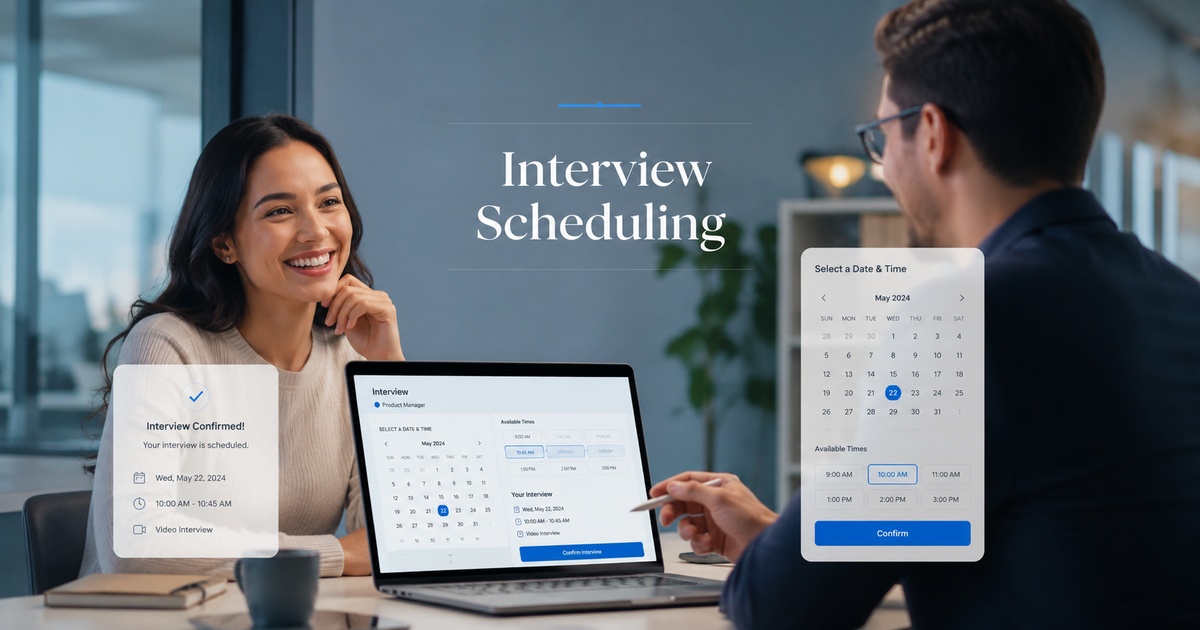
Interview scheduling is the rare hiring task that is both genuinely tedious to do manually and genuinely improved for candidates by automation, when it is done well. The endless email tag to find a time that works frustrates everyone, and good scheduling automation removes it, letting candidates book quickly and recruiters stop playing calendar Tetris. Done badly, though, automation can make candidates feel like they are being processed by a machine. The goal is automation that removes friction while keeping the experience human and respectful. Here is how to set up interview scheduling that candidates actually like.
Why scheduling is worth automating
Scheduling is one of the safest and highest-return things to automate in hiring, because unlike screening, it makes a logistical decision, not a judgement about a person, so it carries little of the bias or fairness risk that haunts other recruiting automation. The manual version is pure overhead: rounds of emails proposing and rejecting times, time-zone confusion, and delays that can cost you good candidates who get an offer elsewhere while waiting. Automating it speeds up the process for everyone and removes a genuinely annoying experience, which is why it is often the first hiring automation worth setting up, the candidate-friendly end of the spectrum covered in our AI recruiting tools guide.
What good scheduling automation does
Good interview scheduling automation handles the logistics invisibly so people can focus on the interview itself. It lets the candidate see genuinely available times and book directly, ending the back-and-forth. It handles time zones automatically, so nobody does mental math or shows up an hour off. It coordinates the calendars of multiple interviewers when needed. It sends confirmations and reminders that reduce no-shows, and makes rescheduling easy rather than another email thread. Crucially, it does all this while keeping the tone warm and the information clear, so the candidate feels looked after, not funnelled. The mechanics are simple; the difference between a good and bad experience is in the details around them.
Setting it up
Setting up candidate-friendly scheduling is mostly about getting the basics right and then sweating the experience.
- Connect interviewer calendars so the tool offers only genuinely free times, never a slot that is already taken.
- Set clear availability windows that respect interviewers’ focus time, so booking does not shred their day.
- Handle time zones automatically and show times in the candidate’s zone.
- Send clear confirmations with everything the candidate needs, who, when, where or which link, and what to expect.
- Send a helpful reminder before the interview to reduce no-shows.
- Make rescheduling self-service and judgement-free, since life happens.
The human touches that matter
Automation handles the logistics, but small human touches are what keep candidates from feeling processed. Use a warm, personal tone in the automated messages rather than cold system-speak, the words cost nothing and change the feeling entirely. Make sure a real person is clearly reachable if something goes wrong or a candidate has a question the system cannot answer. Give candidates genuine flexibility and choice rather than a single take-it-or-leave-it slot, which signals respect for their time. And frame the automation as a convenience for them, not just efficiency for you. These details are what turn scheduling automation from something that feels impersonal into something candidates appreciate, and they cost almost nothing to get right.
Friction worth removing
Finally, look at the experience from the candidate’s side and remove the friction that quietly damages your employer brand. Long waits between stages, confusing instructions, awkward time-zone errors, rigid scheduling that ignores their constraints, and a process that feels like a black box all leave a bad impression, on exactly the people you are trying to win. Good scheduling automation, used thoughtfully, removes most of this: it is fast, clear, flexible, and respectful. Remember that candidates judge your organisation by how it treats them during hiring, and a smooth, humane scheduling experience is an easy, high-leverage way to make a good impression, while a clumsy one undoes the goodwill your recruiters worked to build. For founders and small teams especially, this is the kind of high-return automation our guide to productivity automations champions.
Knowing whether it is working
Once scheduling automation is running, a few simple signals tell you whether it is genuinely helping rather than just shifting the work around. Watch the time from when scheduling starts to when the interview is booked, which should drop sharply compared with manual coordination. Watch your no-show rate, good confirmations and reminders should reduce it. And pay attention to candidate feedback, directly or through how the process feels, since a clumsy automated flow shows up as frustration even when the metrics look fine.
If booking is fast, no-shows are low, and candidates are not complaining about the experience, the automation is doing its job. If candidates seem confused, slots clash, or rescheduling is painful, those are fixable details in the setup, tone, availability rules, time-zone handling, rather than reasons to abandon automation. The aim is a process that is measurably faster for your team and noticeably smoother for candidates, and a little attention to these signals keeps it that way as your hiring volume and team change.
Frequently asked questions
Does automating interview scheduling hurt the candidate experience?
Done badly it can make candidates feel processed by a machine, but done well it improves their experience by removing the frustrating email tag, time-zone confusion, and delays of manual scheduling. The difference is in the details: a warm tone, genuine flexibility, clear confirmations, a reachable human if needed, and easy rescheduling. Automation should handle the logistics invisibly while the experience stays human and respectful, which candidates appreciate far more than slow manual coordination.
Is it safe to automate interview scheduling?
Yes, it is one of the safest hiring tasks to automate, because it makes a logistical decision rather than a judgement about a person, so it carries little of the bias or fairness risk attached to screening or assessment. The main risks are experiential, a cold or rigid process, not legal or ethical, and those are easily managed with a warm tone and genuine flexibility. It is often the first and highest-return hiring automation worth setting up.
How do I set up interview scheduling automation candidates will like?
Connect interviewer calendars so only genuinely free times are offered, handle time zones automatically, send clear confirmations and helpful reminders, and make rescheduling self-service. Then add the human touches: a warm tone in messages, a clearly reachable person, real choice of times, and framing it as a convenience for the candidate. Getting the logistics right removes friction; getting the tone and flexibility right is what makes candidates actually appreciate it.

Written by gautam995576@gmail.com
AI automation editor focused on workflow design, tool selection, privacy checks, and operational clarity.
Related automation guides
Resume Screening AI Risks and Safer Review Practices
Resume screening AI can introduce bias and miss good people. The real risks, what the rules expect, and safer review practices that…
AI Recruiting Tools Buyer Guide for Hiring Teams
A buyer’s guide to AI recruiting tools for hiring teams: what they automate, how to evaluate them fairly, and the risks to…